Cloud Front
More live video workflow notes and product updates.

CloudFront is often treated as a simple CDN checkbox, but in live video pipelines it behaves like a control surface for startup latency, cache stability, egress cost, and incident blast radius. This guide explains how to use CloudFront in production without turning your delivery layer into guesswork. The focus is practical: how to shape cache behavior, control latency risk, and align pricing with real traffic patterns. For this workflow, Paywall & access is the most direct fit. Before full production rollout, run a Test and QA pass with Generate test videos and streaming quality check and video preview. Before full production rollout, run a Test and QA pass with a test app for end-to-end validation.
What this article solves
Teams usually face the same failures when they deploy CloudFront for streaming too quickly: unstable cache hit ratio, region-specific startup delays, cost surprises after audience spikes, and weak observability during incidents. This article gives a deploy-first framework with measurable checks before full traffic cutover.
Where CloudFront fits in your architecture
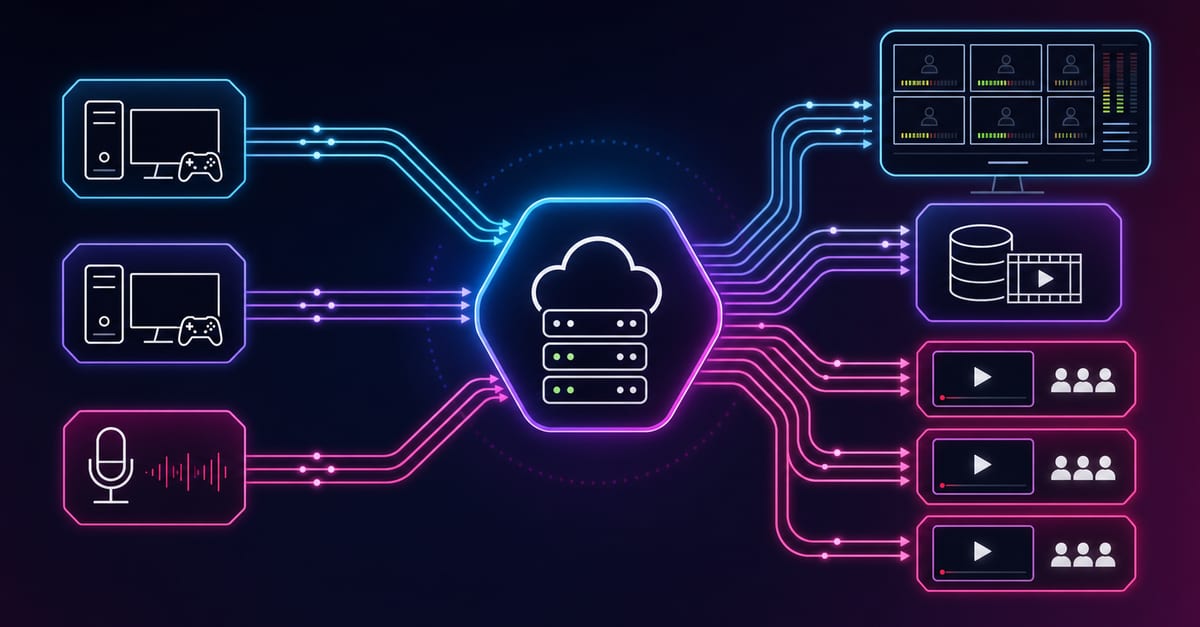
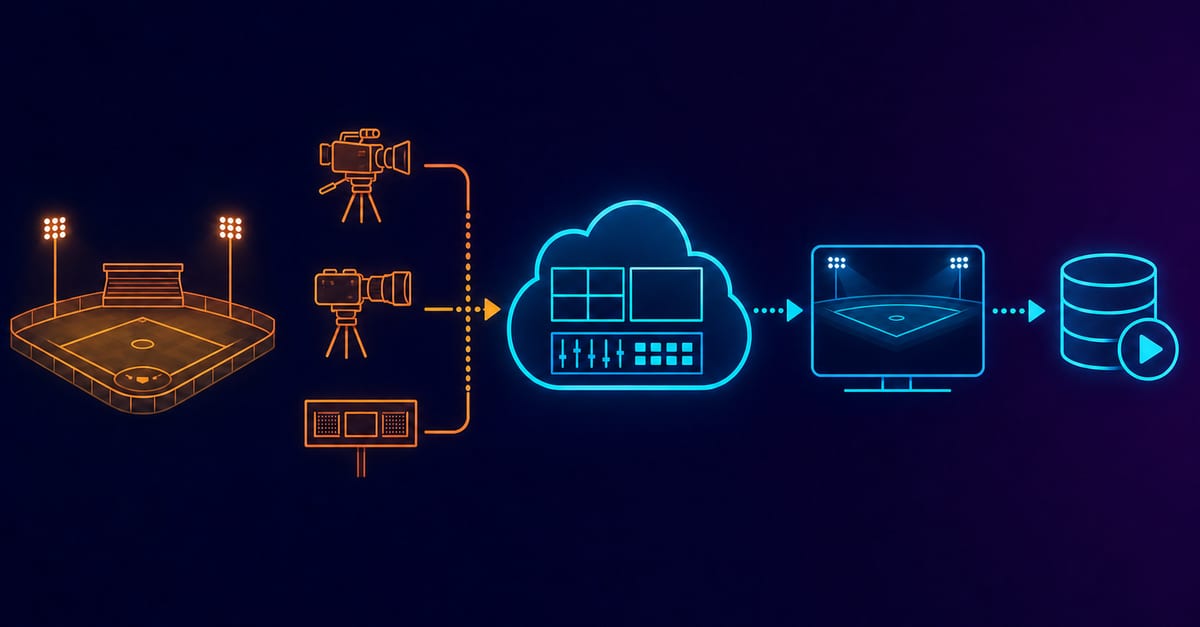
CloudFront sits between origin and viewers. For streaming, that means your origin path quality, manifest behavior, segment strategy, and invalidation policy directly shape playback outcomes. If your ingest and fan-out layer is not stable, CloudFront can amplify existing issues instead of masking them.
For contribution and route control, use Ingest and route. For controlled playback UX on your own properties, combine with Player and embed. If you automate provisioning and stream lifecycle, wire orchestration through Video platform API.
Deployment model options
Cloud-first delivery
Best when traffic is bursty, global, or event-driven. You get fast rollout and elastic distribution, but you must manage egress economics and observability discipline.
Self-hosted baseline plus cloud burst
Best when baseline traffic is predictable but you need event surge capacity. This hybrid pattern keeps fixed-cost control while preserving high-availability behavior at peaks.
Latency and cache behavior that matter in production
- Manifest freshness: stale manifests create startup failures even when segments are healthy.
- Segment cache consistency: inconsistent edge state causes intermittent buffering across regions.
- Origin shielding strategy: can reduce origin pressure, but wrong policy may hide real origin instability.
- Operational telemetry: you need per-region metrics and fallback triggers, not only aggregate dashboards.
If your SRT contribution path is part of the chain, monitor RTT and packet behavior with round trip delay and SRT statistics. For backup route design, use SRT backup stream setup.
Practical rollout sequence
- Start with one event profile. Do not migrate every workload at once.
- Define acceptance criteria before deployment. Startup time, buffering threshold, and recovery window must be explicit.
- Run regional rehearsal. Validate from at least two audience regions and multiple device classes.
- Simulate stress. Test peak concurrency and origin degradation behavior before production launch.
- Cut over progressively. Shift traffic in controlled phases and keep rollback path active.
CloudFront pricing logic for professionals
For professional teams, price per TB is only one line item. Real event economics include delivery traffic, origin safety margin, incident recovery overhead, and on-call support load. A technically cheaper design can still be financially worse if it increases incident frequency during revenue events.
Use a scenario model before each major event class. Example formula:
Traffic TB = (bitrate Mbps × 0.00045) × viewers × hoursEstimated egress = Traffic TB × blended USD per TB
Example: 4.5 Mbps average, 2,500 viewers, 2.5 hours gives roughly 12.66 TB. At 80 USD per TB, delivery egress is about 1,013 USD before processing and operations overhead. This is why finance should review bitrate and audience assumptions, not only final invoices.
Budget path for smaller teams
Small teams usually need predictable spend and fast operations. A common strategy is to keep a lean self hosted baseline and scale cloud delivery only when audience demand justifies it. This keeps fixed monthly commitments clear while retaining growth headroom for events.
If your baseline is stable, self hosted monthly planning can be straightforward. Many teams start with low monthly commitments per stream and expand as reliability and workflow maturity improve. The key is to avoid running cloud-style variability without cloud-style observability and automation.
Use the bitrate calculator to size the workload, or build your own licence with Callaba Self-Hosted if the workflow needs more flexibility and infrastructure control. Managed launch is also available through AWS Marketplace.
For cloud egress assumptions and regional rates, always verify on the official CloudFront pricing page. This single step removes most avoidable support tickets around "unexpected" bills.
Common mistakes and fixes
Mistake 1: Migrating all traffic at once
Fix: migrate one event class first, capture telemetry, then scale.
Mistake 2: Using one cache policy for all content types
Fix: separate manifest and segment behavior by purpose and freshness sensitivity.
Mistake 3: Ignoring support cost in pricing decisions
Fix: include incident-hours and operator load in total delivery economics.
Mistake 4: No rehearsed fallback path
Fix: define and test failover before event day, not during outage response.
FAQ
Is CloudFront always the right CDN choice for streaming
Not always. It is strong for many global use cases, but final fit depends on origin architecture, event profile, and support model. Start from measurable requirements and compare with your operational constraints.
How do I avoid pricing surprises
Use pre-event traffic scenarios with bitrate calculator, verify egress assumptions on the CloudFront pricing page, and align finance with operators before launch.
Should we go full cloud or hybrid
Hybrid is often the practical middle path: self hosted baseline for predictable load and cloud burst for peak events. Choose based on support capacity and risk tolerance, not ideology.
What should we monitor during rollout
Track startup latency, buffering rate by region, edge error distribution, origin response variance, RTT trend, and packet behavior. These signals let you act before user-visible degradation.