Video Sites
More live video workflow notes and product updates.

Video Sites is not a single toggle. In production it is a chain of protocol choices, encoder settings, network behavior, player logic, and operational discipline that must work together under load. This guide focuses on practical implementation for engineering teams that need predictable quality, measurable latency, and repeatable troubleshooting. Instead of generic advice, it outlines concrete defaults, decision criteria, and rollout checks you can apply in real environments where packet loss, unstable uplinks, and changing audience devices are part of daily work. For this workflow, teams usually combine Player & embed, Paywall & access, and Video platform API. Before full production rollout, run a Test and QA pass with Generate test videos and streaming quality check and video preview. Before full production rollout, run a Test and QA pass with a test app for end-to-end validation.
Use the bitrate calculator to size the workload, or build your own licence with Callaba Self-Hosted if the workflow needs more flexibility and infrastructure control. Managed launch is also available through AWS Marketplace.
Architecture baseline
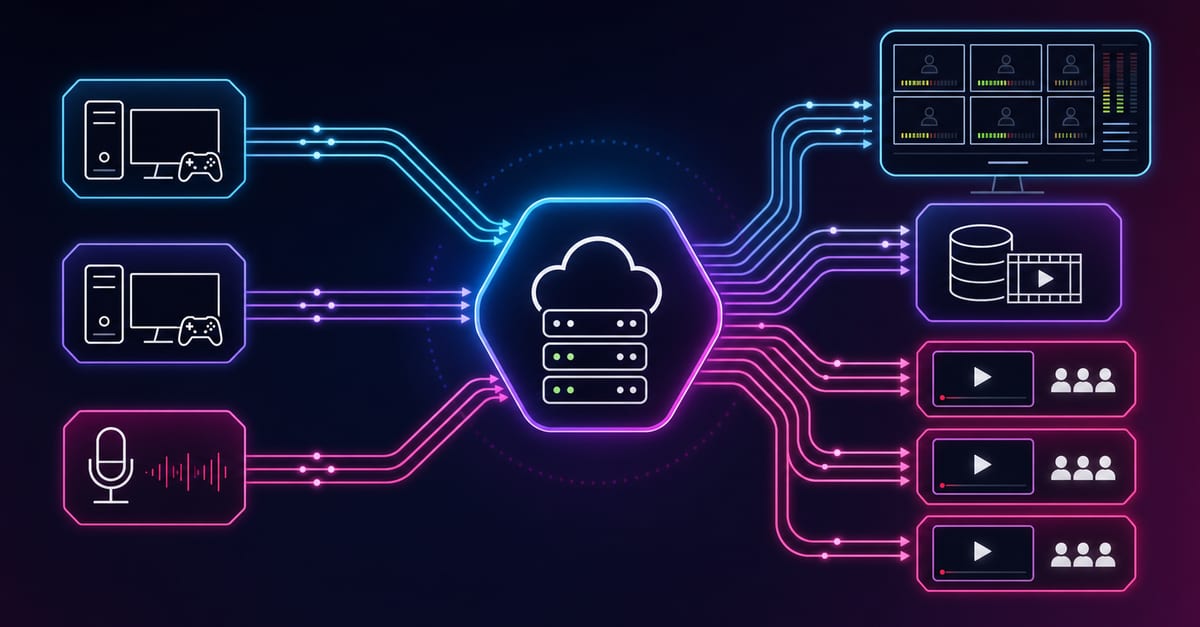
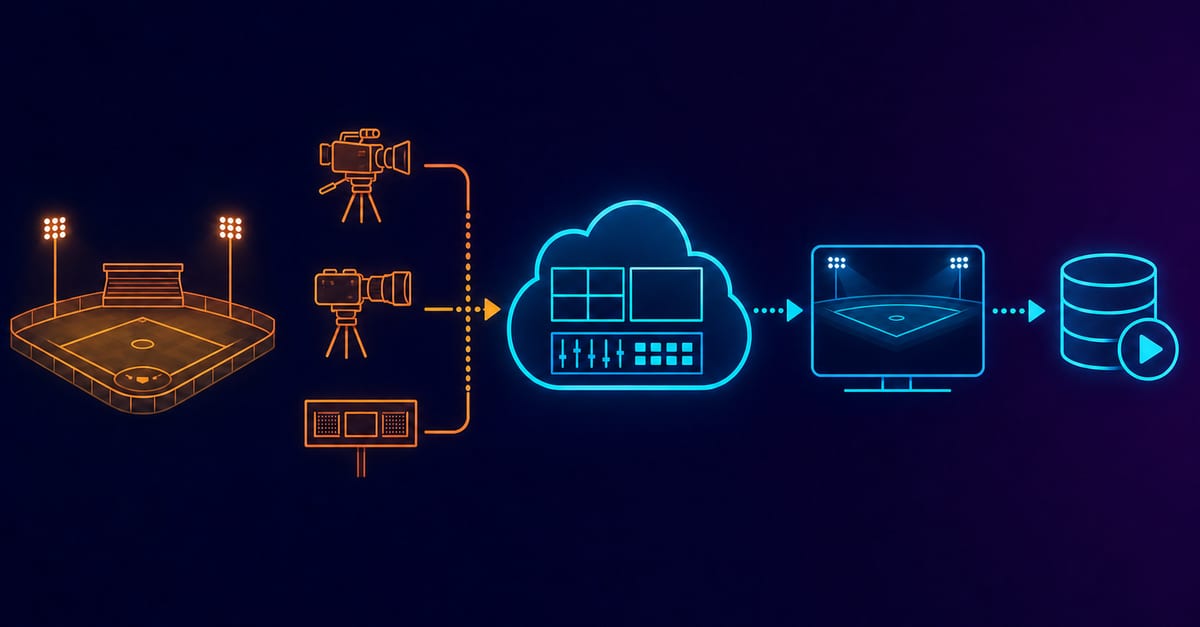
Use a layered design. At ingest, accept resilient contribution protocols and normalize timestamps immediately. In processing, keep transcoding profiles deterministic and avoid unnecessary ladder expansion until demand proves it is needed. In delivery, separate origin and cache responsibilities, then enforce predictable cache keys and short invalidation paths for live assets. At playback, keep startup logic strict: bounded buffer growth, conservative ABR upswitching, and measurable rebuffer thresholds. This structure limits blast radius and makes it easier to identify where latency or quality regressions originate.
Configuration defaults that work
Start with 2-second segment cadence for standard HLS workflows and tighten only when your CDN and player telemetry support it. Keep GOP aligned with segment boundaries to avoid decode instability. Use capped bitrate ladders that match real audience bandwidth percentiles, not ideal lab conditions. If low latency is a priority, tune player buffer limits and monitor first-frame time, join failures, and stall ratio together, because optimizing one metric in isolation often hurts another. For contribution paths, maintain primary and backup routes with health checks and automatic switchover logic.
Operations and monitoring
Define service-level indicators before launch. A practical set is: startup time, rebuffer ratio, watch-time completion, ingest packet loss, encoder queue depth, and edge cache hit rate. Alerting should combine symptom and cause signals, for example high rebuffer plus low cache hit, or elevated first-frame time plus origin latency increase. Run synthetic probes from multiple regions and compare with real-user metrics to detect geographic drift. During incidents, use a runbook with fixed escalation steps and rollback options so teams do not improvise under pressure.
Security and access model
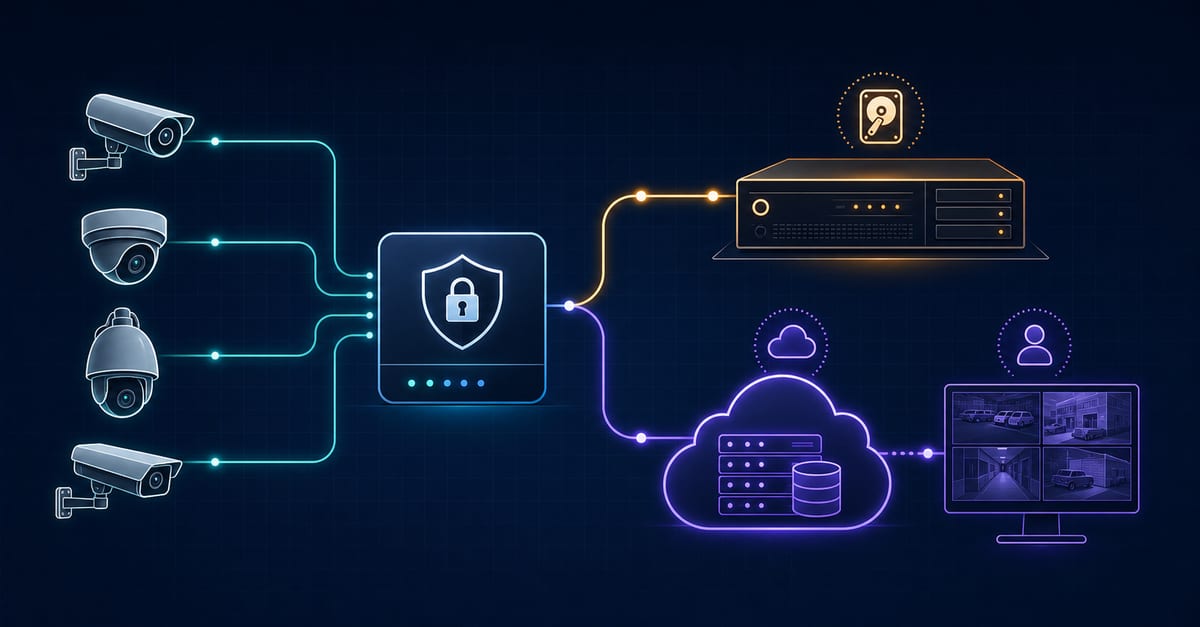
Production video pipelines need access controls from day one. Use signed URLs or short-lived tokens for protected playback, isolate internal APIs, and rotate credentials on a schedule. For paid or restricted content, keep authorization checks close to playback endpoints and log decision outcomes with request correlation IDs. If your roadmap includes monetization, design entitlement logic now to avoid painful retrofits later. Secure defaults reduce compliance risk and also improve reliability because fewer emergency patches are needed after release.
Rollout strategy
Deploy in phases. Phase one validates ingest and storage integrity with controlled traffic. Phase two enables adaptive delivery for a limited audience and compares outcomes against baseline KPIs. Phase three expands distribution while testing failover paths and cost controls. Keep each phase reversible and time-boxed. After launch, schedule weekly quality reviews where engineering and product inspect the same dashboard and decide on one improvement priority at a time. This disciplined cadence is how Video Sites moves from a launch milestone to a dependable capability.
How this connects to the broader stack
Video Sites rarely stands alone. Most teams combine ingest and routing, playback and embed, access control, and API automation across multiple products. In practice, the best outcomes come from treating these components as one system with shared telemetry and shared ownership. When each layer is measured, documented, and linked by explicit contracts, the platform can scale without turning every growth step into a reliability incident.